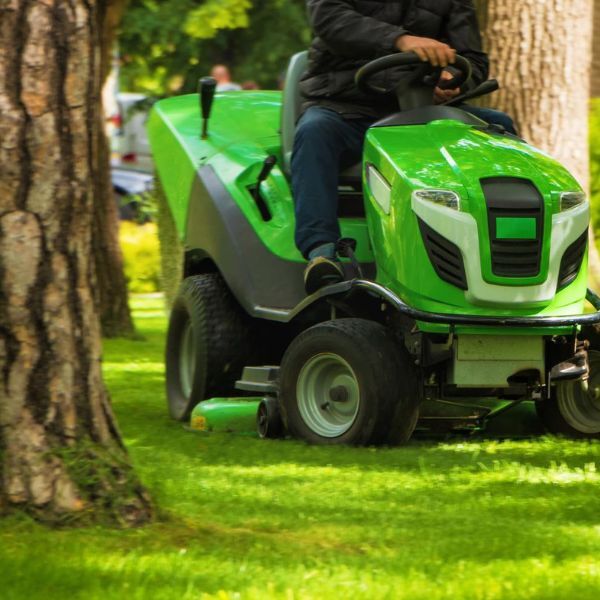

Old lawn mowers that need some maintenance and rejuvenation can come to us in several ways. It may be the old mower you take out of your garage after a long winter. After a few months in hiatus, your mower’s sluggish performance last fall may be a distant memory. Picking up a mower at a garage sale may be another reason for needing to revive an old lawn mower. Whatever the reason, it’s often possible to get an old mower running well again.
8 ways to bring new life to an old mower
1) Starters: If trying to start the mower ends in disappointment, there could be several causes, but the electrical starter is a prime suspect. This electrical component provides energy to get the engine operating. Over time, starters can fail due to common wear and corrosion. It’s expected that you’ll need to replace the starter over the lifetime of your mower.
2) Belts: The belt that transfers power from the engine to the blade is under a lot of stress. With typical wear and tear, it may start to slip due to glazing, but it could also fail altogether and break from cracking and fraying. Inspecting the belt to see signs of weakness is highly advisable.
3) Spark Plugs: These seemingly small parts play a big role in the performance of your lawn mower. A well-functioning spark plug efficiently ignites the air and fuel mixture that powers the mower. If your spark plugs aren’t working well, starting the mower will become more difficult and it can operate roughly. Erosion of electrodes and carbon buildup eventually degrade the performance of spark plugs. A tuneup of your mower with new spark plugs is common maintenance.
4) Carburetors: Your carburetor mixes air and gas to create a vapor for combustion. It must do it at the optimal ratio for smooth and efficient operation. Over time, fuel deposits and residue can build up, causing sticky valves that don’t work as they should. This can result in hard starts, rough idling, stalls, smokey exhaust and choppy performance. When the carburetor works poorly, you can either clean and rebuild it or simply replace it.
5) PTO Clutches: Power is transferred from the engine to the blades through the PTO clutch. A well-running PTO clutch delivers powerful yet smooth blade rotation. When the PTO clutch begins to falter, power declines and spinning movement can become inconsistent. You can expect to replace your PTO clutch over the life of your mower.
6) Blades: The cutting edge of blades will dull from both common use and unfortunate contact with rocks, gravel, stumps and hardscape. Once damaged, the cutting edge of the blade cannot give you the manicured cut you want. A new blade can restore the clean cut that is essential for a nice-looking lawn.
7) Filters: A routine filter replacement schedule is a good maintenance program for your mower. The air, fuel and oil filter play a critical role in keeping your mower’s engine cleaner. You’ll be rewarded with better performance and longer life for your equipment.
8) Oil: Regularly changing oil is truly important. As contaminants build up in oil, the ability to lubricate and keep the engine clean declines. A fresh refill of oil restores the benefits of protecting the engine. Scheduled oil changes will extend the life of your engine. It’s a small step that pays off big.
Keeping old lawn mowers running
With proper upkeep, you can keep old lawn mowers running for many seasons to come. Best of all, keeping your old mower running can be a wallet-pleasing way to save money in the long run. Plus, there’s a sense of satisfaction to be gained from keeping old machines running longer.