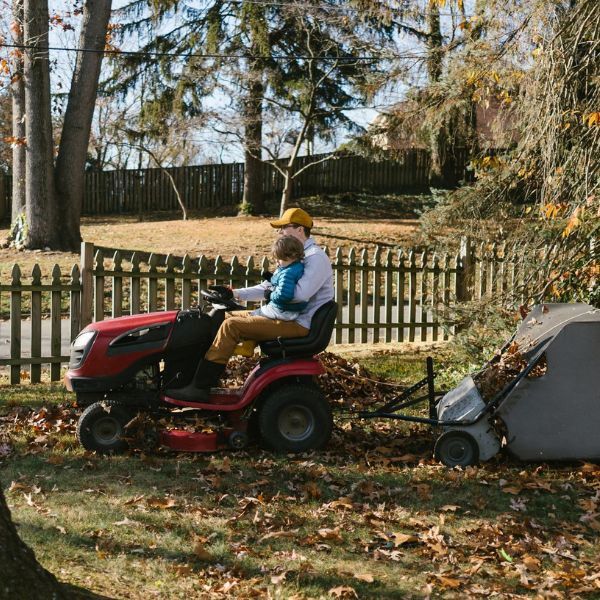

Getting your outdoor power equipment ready for another season is exciting in springtime. After all, it’s the start of something new; but by early autumn, it’s easy to just reach for the finish line of lawncare season. But truth be told, it’s important to keep up with good lawn care equipment maintenance. You want to keep equipment running strong until the season is over. If you’ve noticed that things aren’t working quite as well as last spring, or you want to correct problems before they become noticeable, here’s a handy checklist of things to inspect right now.
8 things to check to keep lawn care equipment running perfectly
1) Starters: Is your equipment getting hard to start? If so, the electrical starter may be wearing out. The starter accepts an electrical current and cranks your engine into action. Starters on outdoor power equipment are vulnerable to many environmental stresses that can eventually cause failure. Moisture from being outdoors in rainy weather and oil contamination can eventually cause deterioration. Of course, eventually time itself can wear out the carbon brushes that facilitate electric flow.
2) Carburetors: Fuel systems in outdoor power equipment often rely on carburetors as the device to mix fuel and air for combustion. Over time, residue buildup can clog jets, float valves can get sticky and gaskets can start to leak. When problems occur, you may experience anything from hard to impossible starts and rough, choppy performance. When you have issues with your carburetor, you may choose to rebuild it or replace it entirely.
3) Belts: The belts in lawn care equipment help transfer power from the engine to get blades in motion. Belts will eventually wear out from both time and usage. A worn or slipping belt will cause poor performance, and a broken belt will stop you from working altogether. It’s wise to do a periodic belt inspection to look for glazing, separating and cracking. Any of these conditions indicate a need for a belt replacement.
4) PTO Clutches: Also known as a power take-off clutch, a PTO clutch engages and disengages the power produced by the engine for rotation of the blade. A clean cut on a lawn is dependent on a fast-moving blade that cuts rather than tears the grass. When a PTO clutch begins to wear out, its ability to transfer power slows down or becomes inconsistent, which results in a more ragged cut of the lawn.
5) Spindles: Sometime referred to as the backbone of lawn equipment, spindles also play a role in delivering rotational power to the blades. A well-functioning spindle transfers power, supports the blade and reduces vibration. The makeup of a spindle system includes housing, shaft, bearings and a pulley. If you’re noticing unexplained noises and increased vibration, check the condition of your spindle.
6) Blades: Your lawn mower can be in perfect mechanical condition; but if your blade is dull or damaged, you’re not going to get a nicely manicured cut. Blades can take a lot of abuse from hitting rocks, stumps and hardscape. A worn-out blade will leave your lawn looking choppy instead of even. If your lawn looks less than ideal after mowing, check the condition of your lawn mower blade. A dull blade can be sharpened a few times, but a damaged blade should be replaced.
7) Oil: It goes without saying that regular oil changes will keep your mower and lawn equipment in better condition. Changing oil is easily overlooked, but it can add service life to your outdoor power equipment.
8) Filters: Air, oil and fuel filters are an inexpensive way to keep equipment in prime condition. They trap contaminants that can build up and cause problems down the line. Filter changes are another way to protect the investment you have made in lawn equipment.
An autumn lawn care equipment checkup pays off
You might be tempted to ignore issues with lawn care equipment because the season is nearing its end, but you don’t want to risk a serious problem that shuts down your equipment before the season is done. Even if you don’t experience a total failure, it’s best to stay on top of lawn care equipment maintenance issues, even late in the season. While you’re thinking about it, make a commitment to give your lawn care equipment a thorough inspection this fall.