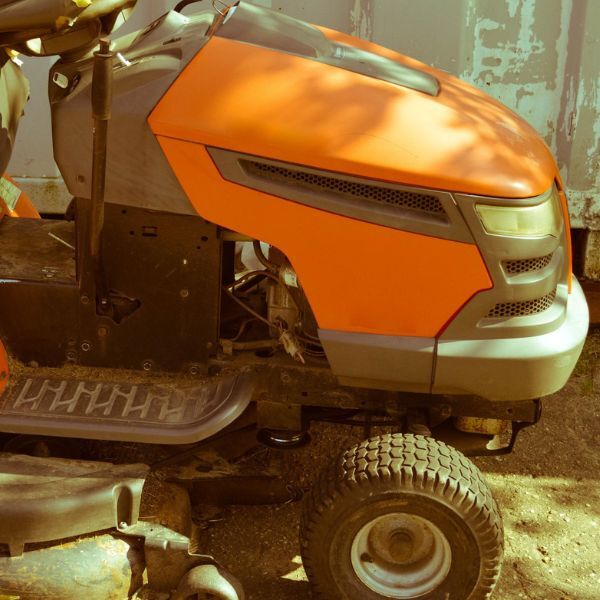

With the long summer season of mowing ahead, you want to make sure your lawn tractor is up to the task. It’s better to be ready to handle your lawn care needs without the interruption of breakdowns and unplanned maintenance. Keeping equipment operational on your schedule pays off with fewer surprises and more satisfaction.
Tips on keeping lawn tractors running with greater dependability
Starters: If your lawn tractor has difficulty starting, or is not starting at all, the starter is one of the first things you should investigate. The starter is the electrical component that cranks the engine back into operation. If you experience sluggish starts or hear clicking or grinding noises when starting your lawn tractor, that could be a sign your starter is going bad.
Alternators: Power for the electrical system in your lawn tractor is generated by the alternator. That electrical power is then stored in the battery to operate the lawn tractor’s electrical system and accessories. The alternator and battery work in partnership; and if either one is weak, it stresses the other one. A failing alternator will often lead to inconsistent operation of electrical accessories, such as dimming or flickering lights.
Solenoid Relays: These electromagnetic switches are the connection between a low voltage ignition and the starter, which needs more power to activate. The solenoid relay manages the voltage to deliver just the right amount of current and protects the electrical system from damage. Signs of a failing solenoid relay are similar to a bad starter. Indicators include clicking sounds, slow engine start-ups and silence when starting the engine. A bad solenoid relay can also produce a burning plastics odor.
Voltage Regulators: The name for these electrical components says exactly what they do. They regulate the amount of voltage circulating throughout the electrical system. A faulty voltage regulator could allow a surge of electrical current to damage system components and accessories or provide inadequate flow to underpower components. A failing voltage regulator can lead to flickering lights and inconsistent electrical accessory performance.
Belts: It’s important that the belts in your lawn tractor are in good condition and tensioned correctly. Belts drive everything in your lawn tractor from fans to blades. Over time, belts can become frayed, cracked or glazed. It’s wise to periodically check your belts for signs of wear and replace them before they break. A broken belt will halt your lawn tractor from running correctly.
PTO Clutches: The PTO clutch transfers power from the engine to the blade. A failing PTO clutch will lead to sluggish or erratic blade spinning or eventually quit running altogether. Replacing a failing PTO clutch is essential for getting a nice uniform cut on your lawn.
Blades: Everything else on your lawn tractor can be running just fine, but if your blade is dull or damaged, you’re not going to get a clean and consistent cut on your lawn. If your blade has lost its edge or has become damaged from hitting rocks, curbs or stumps, a new blade will restore the manicured cut you want. Blades come in many styles from general purpose and mulching to high-lift versions.
Oil and Filters: Basic maintenance like oil changes and filter replacements are easily overlooked, but they make a significant difference in performance and long-term operation of your lawn tractor. A well-maintained lawn tractor will perform better and have a longer service life. If you haven’t changed oil and replaced filters in a while, it’s advisable to do it soon.
Getting reliable performance from your lawn tractor
Doing an inspection of your lawn tractor is like getting an annual physical for yourself. It’s a good way to catch any potential problems before they become bigger. By doing an inspection and addressing maintenance needs, your lawn tractor will be ready to go to work for you whenever you need it.