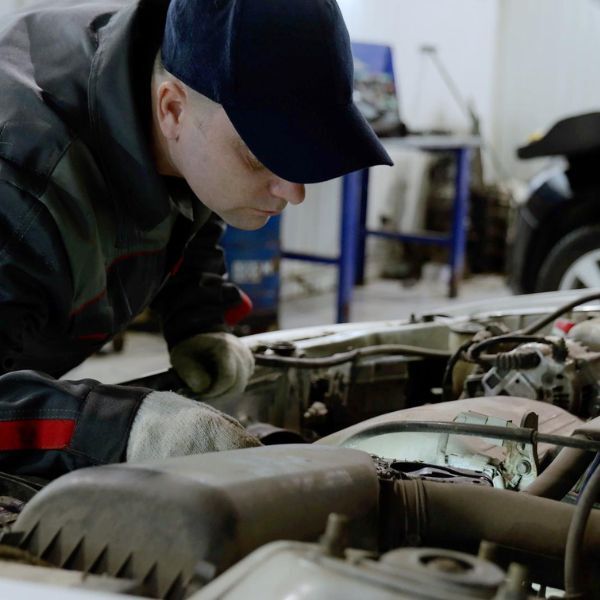

Fuel is the lifeblood of internal combustion engines. If your fuel system is not working properly, you’re going to have a problem. A poorly operating fuel system leads to sluggish or rough performance, or worse yet, complete failure to start. Keeping your fuel system working in optimal condition is dependent on an entire system of components working correctly. Here’s a checklist of major components that contribute to a well-running fuel system. Keeping these parts in good condition will enhance vehicle performance.
Getting to know vital fuel system components in vehicles
Carburetors and fuel injectors: Depending on the vehicle you’re working on, it will have either a carburetor or fuel injector. Carburetors are an older-style technology, but they can still be found on some models. Both components have the job of mixing fuel and air for the internal combustion engine. Carburetors are mechanical devices that use air pressure, while fuel injectors are computerized electrical components. When these components malfunction, you can expect sluggish starts, rough idling, engine misfires and diminished acceleration.
Fuel pumps: The name “fuel pump” pretty well describes what it does. It pumps fuel from the tank to the engine. The type of pump you have will depend on whether you have a carburetor or fuel injection system. Fuel injection systems use an electric pump, and carburetors use a mechanical one. A failing fuel pump can result in difficult starts, erratic engine performance and unresponsive acceleration. To prolong the life of your fuel pump, it’s advised to avoid frequently running your gas tank to near empty levels. Doing so makes your fuel pump work harder.
Fuel line: Fuel needs to move throughout the system. While a seemingly basic part of the fuel system, it’s important that the fuel line remains in good condition. So while fuel line is easy to overlook, it’s not something you should ignore. Corrosion, blockages, cracking, hardening, brittleness and punctures can all compromise the function of fuel line. It’s one of those things to periodically inspect and replace when necessary.
Fuel filters: Contaminants in your fuel can cause residue buildups throughout your engine. To reduce the effects of residue, routinely change the fuel filter. As filters become loaded with trapped residue, they lose their effectiveness to keep fuel clean. A regular schedule of replacing fuel filters is a small act to help prolong the life of your engine.
Fuel tanks: Serving as a storage reservoir, the fuel tank is an important part of your vehicle’s fuel system. You should watch for any signs of corrosion or leaks from the fuel tank. Corrosion, dents, abrasion or punctures can all cause leaks to develop, compromising the integrity of your tank.
Keeping your vehicle fuel system in tiptop shape
Knowing how your fuel system works and keeping it in prime condition is essential for a properly running vehicle. The fuel system, after all, is what powers your vehicle to keep it in motion. Keeping fuel freely flowing in a clean and intact fuel system will pay off with reliable and consistent performance of your vehicle.